Your Ultimate Guide to the Los Angeles Marathon: Race Day & Iconic Course
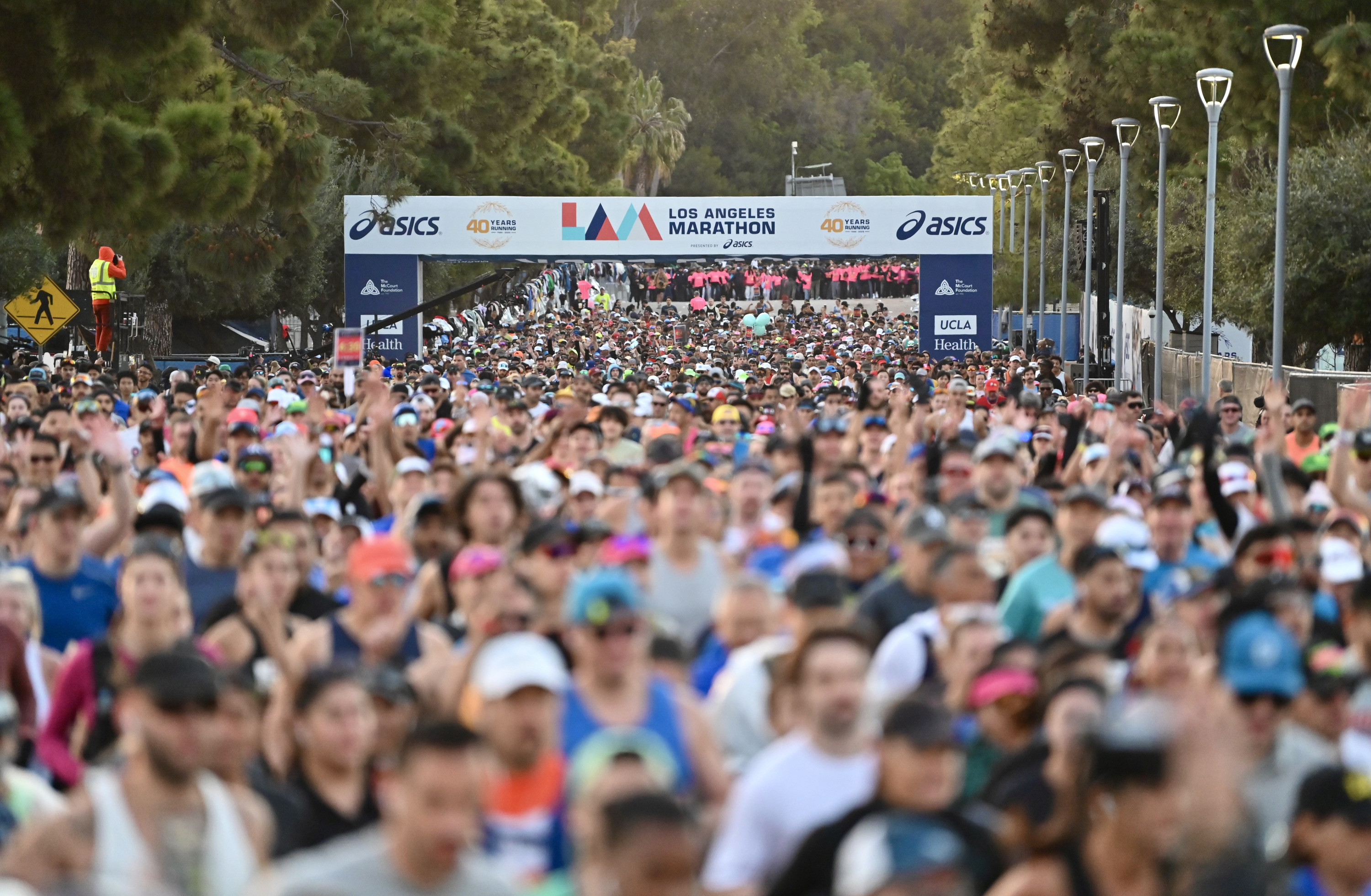
The Marathon Los Angeles is more than just a race; it's an exhilarating journey through the heart of one of the world's most vibrant cities. Drawing over 25,000 participants annually from all 50 U.S. states and 55 different countries, this premier event stands tall as one of the largest and most anticipated marathons in the United States. Whether you're a seasoned runner aiming for a personal best, a first-timer seeking an unforgettable challenge, or a spectator eager to soak in the electric atmosphere, the LA Marathon promises an experience like no other.
As it approaches its 40th edition in 2025, the legacy of the Marathon Los Angeles continues to grow, celebrating decades of athletic achievement, community spirit, and the unparalleled beauty of the City of Angels. Officially known as the Los Angeles Marathon presented by ASICS since 2020, and organized by The McCourt Foundation with a mission to heal diseases, this event combines athletic prowess with profound charitable impact. Get ready to explore everything you need to know about tackling or spectating this iconic "Stadium to the Sea" race.
The "Stadium to the Sea" Journey: An Iconic Marathon Los Angeles Course
What truly sets the Marathon Los Angeles apart is its legendary "Stadium to the Sea" course. Spanning 26.2 miles (42.195 kilometers), runners embark on a scenic adventure that starts amidst the grandeur of Dodger Stadium in Downtown LA and culminates with the refreshing ocean breeze in Santa Monica. This diverse route offers a unique guided tour through some of Los Angeles' most famous neighborhoods and landmarks, ensuring there's never a dull moment.
The race kicks off with a staggered start around 7:00 AM, beginning right outside the historic Dodger Stadium. From there, participants weave through the cultural tapestry of Los Angeles. Early miles take runners through the bustling streets of Downtown LA and the colorful charm of Chinatown, where supporters line the streets, creating an electrifying energy.
As the course progresses, runners enter the iconic stretch of Hollywood. Imagine pounding the pavement down Hollywood Boulevard, passing legendary landmarks like the TCL Chinese Theatre and the Walk of Fame. This section is often a highlight for many, offering a surge of adrenaline as the crowds grow louder. The journey continues through East Hollywood, leading into the upscale elegance of Beverly Hills, where grand mansions and high-end boutiques line the route. Runners then make their way through Century City and Westwood, gradually heading west towards the Pacific Ocean.
The final miles are a testament to grit and determination, with the finish line beckoning on Santa Monica Boulevard. The anticipation builds as the scent of the ocean grows stronger, culminating in a triumphant finish just steps from the Santa Monica Pier. This unique progression from urban landscapes to the serene coastline offers not just a physical challenge, but a truly immersive cultural experience, showcasing the incredible diversity and beauty of Los Angeles.
Beyond the Pavement: Race Day Essentials for the Marathon Los Angeles
Participating in the Marathon Los Angeles requires preparation, not just in training your body, but also in understanding the logistics and requirements of race day. Here's what you need to know:
- Eligibility & Registration: To run the full marathon, you must be at least 16 years old on race day. If you're looking for a shorter, family-friendly option, the LA Big 5K race takes place on the same day with no age minimum. Registration typically costs around $250, though prices can vary and often increase closer to the race date.
- What Your Entry Fee Includes: Your registration grants you access to a comprehensive package designed to support your race day experience. This typically includes an official race T-shirt, a finisher's medal (for classified finishers), a digital diploma, official race brochures and documentation, access to well-stocked aid stations with water, electrolytes, and food, on-course medical support, a shuttle service to the start line from designated areas, and essential items like space blankets and other small gear at the finish.
- Time Limit: The official course time limit for the Marathon Los Angeles is 6 hours and 30 minutes. While you are permitted to continue running beyond this time, you'll need to move to the sidewalk, and an official finish time may not be recorded. It's crucial for runners to be mindful of this cut-off to ensure they receive their official results and medal.
- Charity Running: Many participants choose to run the Marathon Los Angeles to support charitable causes. Special rules and fundraising minimums often apply for charity entries, offering a meaningful way to contribute while achieving your running goals. The McCourt Foundation, the race organizer, also uses the event to further its mission in medical research and community health.
Understanding these essentials is key to a smooth and successful race day, allowing you to focus on the incredible journey ahead.
Experiencing the Marathon Los Angeles: For Runners & Spectators
The energy surrounding the Marathon Los Angeles is palpable, not just for the athletes but for the thousands of spectators who line the streets to cheer them on. Both groups play a vital role in creating the electric atmosphere that defines this event.
Tips for Runners:
- Train Smart: Follow a structured training plan that gradually increases your mileage and includes long runs, speed work, and rest days. Listen to your body and prioritize injury prevention.
- Hydration & Nutrition: Practice your race day nutrition and hydration strategy during training. Utilize the ample aid stations on the course, but also consider carrying your preferred gels or chews.
- Logistics: Plan your travel and accommodation well in advance. On race morning, arrive early at Dodger Stadium to navigate security, bag check, and find your starting corral. Take advantage of the shuttle service provided.
- Pace Yourself: The excitement of the start can lead to going out too fast. Stick to your planned pace, especially in the early miles, and remember the course has some gradual climbs and descents.
- Embrace the Crowds: Use the energy from the spectators to lift your spirits, especially during challenging miles. Look up, smile, and enjoy the incredible support!
Tips for Spectators:
- Plan Your Spot: With road closures affecting traffic, planning your viewing spots is crucial. Iconic areas like Hollywood Boulevard (around Mile 9) offer great views and amenities. You might even spot a celebrity or two, as famous faces have been known to join the race or cheer from the sidelines! Try to find a spot near a refreshment stand for an even better experience.
- Transportation: Public transportation (METRO rail and bus lines) is highly recommended due to extensive road closures. Check the official race website for detailed road closure maps and public transit guides. If driving, consider parking a few blocks away and walking to your viewing spot. For example, near Hollywood, parking a block north of Franklin Boulevard might be an option, but always verify current information.
- Bring Signs & Enthusiasm: Hand-made signs, cowbells, and enthusiastic cheers make a huge difference to runners. Encourage everyone, not just those you know.
- Stay Hydrated & Comfortable: You'll be standing for a while, so wear comfortable shoes, bring water, snacks, sunscreen, and dress in layers.
The interaction between runners and spectators creates an unforgettable symphony of human effort and support, making the Marathon Los Angeles a truly communal event.
The Legacy and Future of the Los Angeles Marathon
The genesis of the Marathon Los Angeles is rooted in inspiration. Following the resounding success of the 1984 Summer Olympics held in Los Angeles, there was a palpable desire to create a lasting athletic legacy for the city. This vision came to fruition in 1986 with the inaugural LA Marathon, which has since evolved into an annual, cherished tradition. Its consistent growth has firmly established it among the top five largest marathons in the United States, a testament to its enduring appeal and exceptional organization.
Over the years, the race has seen countless memorable moments, including dramatic finishes that have cemented its place in marathon history. The 2026 edition, for example, saw Nathan Martin claim victory in what was described as the closest finish ever, narrowly edging out Michael Kimani Kamau after a final-mile surge. On the women's side, Priscah Cherono of Kenya dominated the field, showcasing the high level of international talent the race attracts. Such events, though sometimes marked by "courage, collapse, and chaos" as some reports describe, underscore the intense competition and human drama inherent in marathon running.
Looking ahead, as the Marathon Los Angeles approaches its 40th anniversary, its future appears brighter than ever. With strong corporate partnerships like ASICS and the dedicated efforts of The McCourt Foundation, the event continues to innovate and expand its reach. It remains a powerful platform for promoting health, community engagement, and charitable giving, solidifying its status as a must-do event for runners worldwide and a proud symbol of Los Angeles' vibrant spirit.
Whether you dream of crossing that iconic finish line in Santa Monica or simply want to be part of an extraordinary day, the Marathon Los Angeles offers an unparalleled experience. It’s a celebration of resilience, community, and the dynamic energy of one of the world’s most famous cities. Start planning your journey – whether it's for 26.2 miles or just to cheer from the sidelines – and become a part of the enduring legacy of the LA Marathon.